
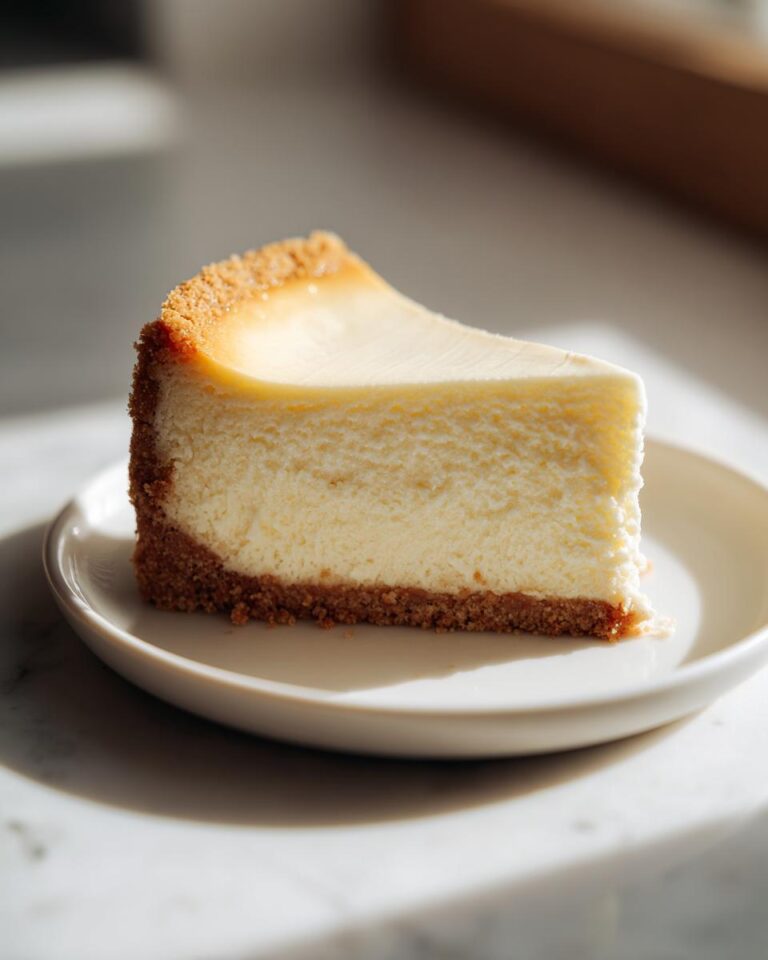
Oh my goodness, you guys, are you ready to talk cheesecake?! Because I’m practically drooling just thinking about it! Seriously, there’s nothing quite like that first bite of a perfectly smooth, creamy cheesecake. The kind that just melts in your mouth and makes you close your eyes in pure bliss. And guess what? I’m here to spill all my secrets on how to get a perfectly smooth cheesecake, every single time.
I’ve been baking cheesecakes for, well, let’s just say a *long* time. I’ve experimented with *everything* – different crusts, various fillings, baking methods galore! And trust me, I’ve had my share of cracked tops and gummy textures. But through all the trials and errors, I’ve finally perfected my go-to recipe. It’s a crowd-pleaser, it’s easy, and most importantly, it consistently delivers that dreamy, velvety smooth cheesecake we all crave.
So, grab your aprons (and maybe a spoon for tasting!), because I’m about to share my most prized cheesecake wisdom. Get ready to bake the best cheesecake of your life!
Ingredients for a Delicious How to Get a Perfectly Smooth Cheesecake
Okay, so first things first, you’ve gotta have the right ingredients! And listen, don’t skimp on quality, alright? It really does make a difference. Here’s what you’ll need to whip up this amazing cheesecake:
- 1 1/2 cups graham cracker crumbs – you can buy them pre-made, or crush your own. I like the ones with a little bit of salt.
- 1/4 cup sugar – just the regular stuff, nothing fancy here.
- 6 tablespoons butter, melted – unsalted is my go-to, but salted will do in a pinch.
- 32 ounces cream cheese, softened – and I mean *softened*! Room temperature is key, trust me.
- 1 1/2 cups sugar – yes, more sugar! Cheesecake is a treat, after all.
- 1 teaspoon vanilla extract – the good stuff, please! Adds that perfect little something.
- 4 large eggs – also at room temperature. See a theme here?
See? Nothing too crazy, but each ingredient is super important for getting that perfect texture and flavor. Now, let’s get baking!
Step-by-Step Instructions: How to Get a Perfectly Smooth Cheesecake
Alright, friends, here’s the fun part! Let’s get down to the nitty-gritty and bake this cheesecake! Follow these steps, and you’ll be well on your way to cheesecake heaven. Don’t worry, it’s easier than you think!
Preparing the Crust
First up, we’ve got the crust. Take your graham cracker crumbs, sugar, and melted butter and mix them all together in a bowl. Make sure the butter is evenly distributed, so the crust holds together. Next, grab a 9-inch springform pan. This is *super* important for easy removal later! Pour the crumb mixture into the pan and press it firmly and evenly across the bottom. I like to use the bottom of a measuring cup for this – it works like a charm! You want it nice and compact so it doesn’t crumble apart when you cut into your masterpiece.
Making the Creamy Cheesecake Filling
Now for the star of the show: the filling! In a large mixing bowl (or the bowl of your stand mixer, if you’re fancy!), beat your softened cream cheese and sugar together. Beat them on medium speed until the mixture is *perfectly* smooth. This is where those room temperature ingredients really shine! You don’t want any lumps. It might take a few minutes, so be patient, and keep scraping down the sides of the bowl to make sure everything’s evenly combined. Next, add in that lovely vanilla extract. Stir it in until it’s just combined. And finally, add your eggs, one at a time, mixing on low speed after each addition. The goal here is to *just* combine everything. Don’t overmix! Overmixing adds air, which can lead to cracks. Oops!
Baking Your How to Get a Perfectly Smooth Cheesecake
Preheat your oven to 325°F (160°C). Now, here’s a little secret for an even bake: a water bath! Wrap the outside of your springform pan with a few layers of heavy-duty aluminum foil. Place the pan inside a larger baking pan, and then pour hot water into the larger pan, filling it about halfway up the sides of the springform pan. Now, carefully pour your cheesecake filling over the crust. Place the whole shebang in the preheated oven and bake for about 50-60 minutes. You’ll know it’s done when the edges are set, but the center still jiggles a little bit. It should *not* be jiggly like jelly, but a gentle wobble is perfect.
Cooling and Chilling for a Perfectly Smooth Cheesecake
This is SO important for getting a crack-free cheesecake! Turn off the oven, crack the oven door open a tiny bit, and let the cheesecake cool *inside* the oven for about an hour. This slow cooling helps prevent those dreaded cracks. After that, take the cheesecake out and let it cool completely at room temperature. Then, cover it with plastic wrap and pop it in the fridge for at least 4 hours, or even better, overnight. This chilling time lets the cheesecake set completely and develop the best flavor. Trust me, the wait is worth it!
Why You’ll Love This *Perfectly Smooth Cheesecake* Recipe
Okay, so why is *this* the cheesecake recipe you need in your life? Well, let me tell you!
- It’s surprisingly easy! Seriously, don’t let the “fancy” reputation fool you. This recipe is totally doable, even if you’re a beginner baker!
- The flavor is divine! The creamy filling, the buttery crust… it’s a match made in dessert heaven.
- It’s a guaranteed crowd-pleaser! Bring this to any gathering, and watch it disappear. People will be begging you for the recipe!
- It’s the perfect make-ahead dessert! Cheesecake tastes even better the next day, so you can prep it in advance and relax.
- No cracks! Following my tips and tricks, you’ll be serving up a cheesecake so smooth, it’ll practically gleam.
- Totally customizable! Want to add some berries? Swirl in some chocolate? Go for it! This recipe is a blank canvas for your cheesecake dreams.
Honestly, what’s not to love? This cheesecake is everything you want in a dessert: easy, delicious, and always a hit!
Equipment List for Baking Creamy, Crack-Free Cheesecake Recipes
Alright, before we get started, let’s make sure you have all the right tools for the job! Having the proper equipment makes a *huge* difference when you’re baking a perfect cheesecake. Trust me, I’ve learned this the hard way!
- 9-inch Springform Pan: This is an absolute must-have! The springform pan is the key to getting your cheesecake out in one beautiful piece. Make sure it’s a good quality one that seals tightly so no water leaks in during the water bath.
- Large Mixing Bowl: You’ll need at least one large mixing bowl for the filling. I like to use a stainless steel one because it’s easy to clean, and you can see what’s going on.
- Medium Mixing Bowl: This is for mixing your crust ingredients.
- Electric Mixer: Either a stand mixer or a handheld electric mixer will work. You’ll need it to beat the cream cheese and sugar until smooth and creamy.
- Rubber Spatula: This is your best friend for scraping down the sides of the bowl and making sure everything is evenly mixed.
- Measuring Cups and Spoons: Pretty self-explanatory, but you’ll need these to measure all your ingredients accurately.
- Aluminum Foil: For wrapping the springform pan when using a water bath. Heavy-duty foil is best to prevent leaks.
- Large Baking Pan: To hold your springform pan during the water bath. A roasting pan or a deep baking dish works well.
- Oven Thermometer: Okay, so this is optional, but I highly recommend it! Oven temperatures can vary, and an oven thermometer helps ensure your oven is at the correct temperature for even baking.
- Wire Rack: For cooling your cheesecake after baking.
See? Not too much stuff, and most of it you probably already have in your kitchen! Having the right equipment will make the whole baking process so much easier (and more enjoyable!). Now, let’s move on to some ingredient notes and substitutions!
Ingredient Notes and Substitutions
Alright, let’s talk about some of the ingredients! Because sometimes, you gotta make a few tweaks, right? And listen, I’m all about flexibility in the kitchen. So here are some notes and a few ideas for substitutions, just in case!
First up, cream cheese. You want the full-fat, brick-style cream cheese for the best results. Don’t even *think* about using the low-fat or whipped kind! They have too much water, and that will mess with the texture of your cheesecake. Trust me, it won’t be as smooth and creamy. Also, make sure it’s the kind that comes in the foil-wrapped blocks, not the tubs. Get it out of the fridge a couple of hours before you start baking, so it softens up nicely.
Now, about the graham crackers. You can totally use store-bought graham cracker crumbs, and that’s perfectly fine! But, if you want a little extra flavor, you can crush your own graham crackers. I like to pulse the graham crackers in a food processor until they’re fine crumbs, but you can also put them in a zip-top bag and crush them with a rolling pin. You can also get a little fancy and use different cookies for the crust! Try using vanilla wafers, gingersnaps, or even chocolate sandwich cookies. Just adjust the amount of sugar in the crust to balance out the sweetness. Mmm, the possibilities!
And finally, the eggs! Make sure your eggs are large and at room temperature. This helps them incorporate properly into the batter. If you forget to take them out of the fridge, don’t worry! You can quickly warm them up by placing them in a bowl of warm (not hot!) water for a few minutes. Just make sure you don’t cook them!
So there you have it! A few tips to make sure your cheesecake turns out absolutely amazing! Now, let’s move on to some baking tips for a creamy, crack-free cheesecake!
Essential Baking Tips for Creamy, Crack-Free Cheesecake Recipes
Okay, friends, listen up! Because even with the perfect recipe, there are a few extra things you can do to guarantee cheesecake success. These are my go-to tips for achieving that dreamy, creamy texture and avoiding those pesky cracks. Trust me, these little tricks make a *huge* difference!
The Importance of Room Temperature Ingredients
I’ve said it before, but it’s worth repeating: room temperature ingredients are your best friend! When your cream cheese and eggs are at room temperature, they blend together much more easily. This helps create a smooth, lump-free batter. It also helps the cheesecake bake more evenly. Seriously, don’t rush this step! Take those ingredients out of the fridge a couple of hours before you start baking. Your cheesecake will thank you!
Avoiding Overmixing
This is a big one! Overmixing is the number one culprit of cracked cheesecakes. When you overmix the batter, you incorporate too much air. This air expands during baking, which causes the cheesecake to rise rapidly and then crack as it cools. That’s why I say to mix the filling *just* until everything is combined. Low and slow is the name of the game here!
Using a Water Bath
A water bath is your secret weapon for a creamy, evenly baked cheesecake. It creates a moist environment in the oven, which helps the cheesecake bake gently and prevents the edges from overcooking and cracking. Simply wrap your springform pan in aluminum foil (I usually do a double layer, just to be safe!), place it in a larger baking pan, and then pour hot water into the larger pan, filling it about halfway up the sides of the springform pan. It’s a little extra effort, but totally worth it!
Slow Cooling is Key
Once your cheesecake is baked, resist the urge to take it out of the oven right away! Let it cool *slowly*. As I mentioned before, turn off the oven, crack the door open a little bit, and let the cheesecake cool inside for about an hour. This gradual change in temperature helps prevent cracks. After that, let it cool completely at room temperature before chilling it in the fridge. Patience, my friends, patience!
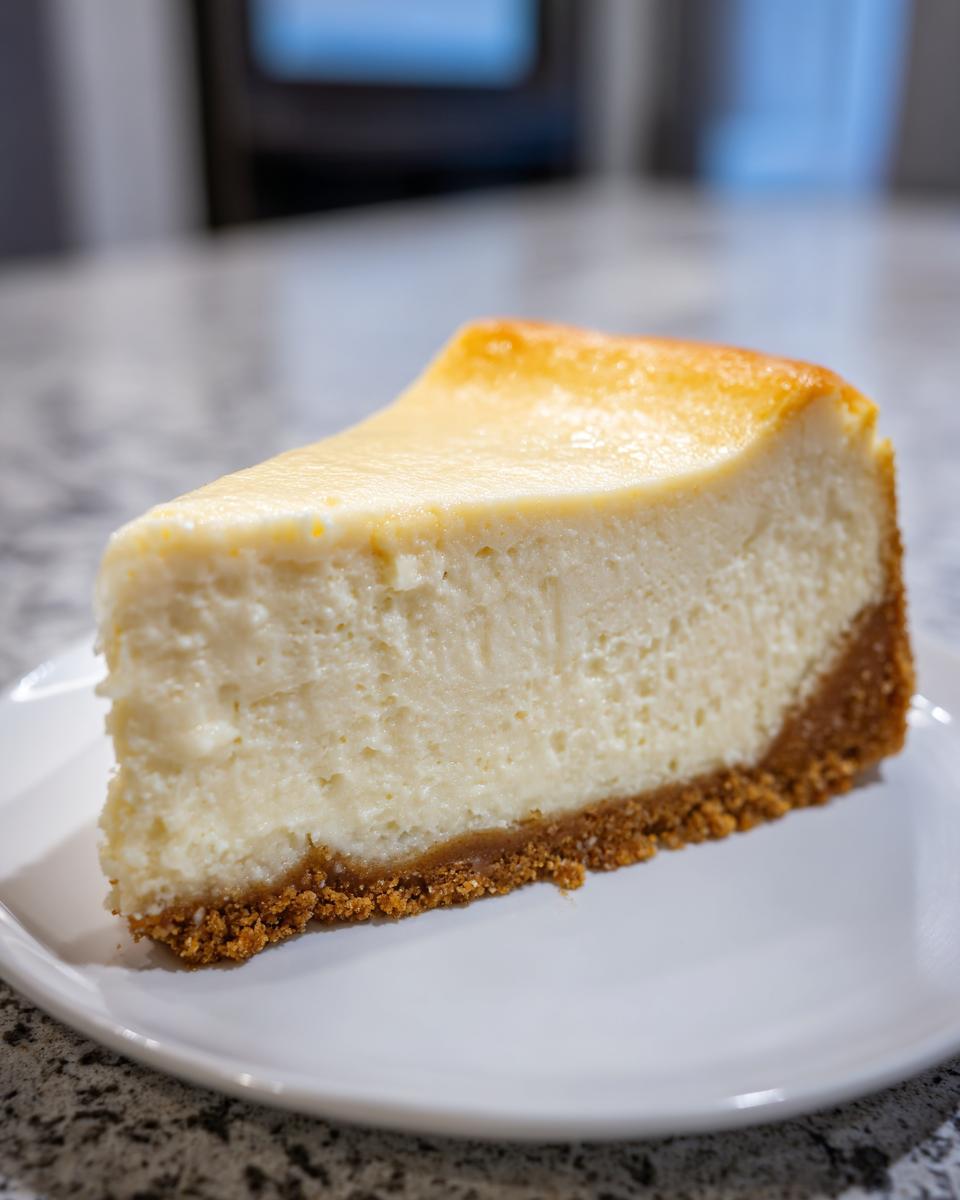
Frequently Asked Questions About How to Get a Perfectly Smooth Cheesecake
Alright, you guys, I know you’re probably bursting with questions! Cheesecake baking can seem a little… well, *particular*. So, I’ve rounded up a few of the most common questions I get, plus some handy-dandy answers. Let’s dive in!
Can I use a different type of crust?
Absolutely! While the classic graham cracker crust is a total winner, you can totally get creative with your crust! I’ve used everything from Oreo cookies (yum!) to shortbread cookies, and even crushed-up Biscoff cookies. Just remember to adjust the sugar in your recipe to balance the sweetness of whatever cookies you’re using. And hey, if you’re feeling extra ambitious, you can even try a chocolate cookie crust. Mmm, chocolate cheesecake!
How do I prevent my cheesecake from cracking?
Cracks are the bane of every cheesecake baker’s existence, right? But don’t worry, you can totally avoid them! Here’s the deal: make sure you’re using room temperature ingredients. Avoid overmixing the batter, because that adds too much air. Use a water bath, which helps the cheesecake bake evenly and slowly. And, most importantly, let the cheesecake cool *slowly* in the oven with the door cracked open. That slow cooling is the magic trick!
Can I freeze cheesecake?
Yes, you can freeze cheesecake! It’s a lifesaver if you want to make your cheesecake ahead of time. Just let the cheesecake cool completely, wrap it tightly in plastic wrap (or a few layers of it!), and then wrap it again in foil. Freeze it for up to a month. To thaw, move it to the refrigerator the night before you want to serve it. This will help it thaw slowly and evenly. You can also freeze individual slices, which is perfect for portion control (or a late-night treat!).
What if I don’t have a springform pan?
Okay, so springform pans are ideal for cheesecakes, because they make it easy to remove the dessert. But if you don’t have one, don’t worry! You can still make a delicious cheesecake. You can use a regular cake pan, but you’ll have to line it with parchment paper that hangs over the edges. That will let you lift the cheesecake out easily. The downside is that you won’t get those pretty, clean sides. Or, you can make mini cheesecakes in muffin tins! Just adjust the baking time accordingly. Either way, you’ll still get a delicious creamy, crack-free cheesecake recipe!
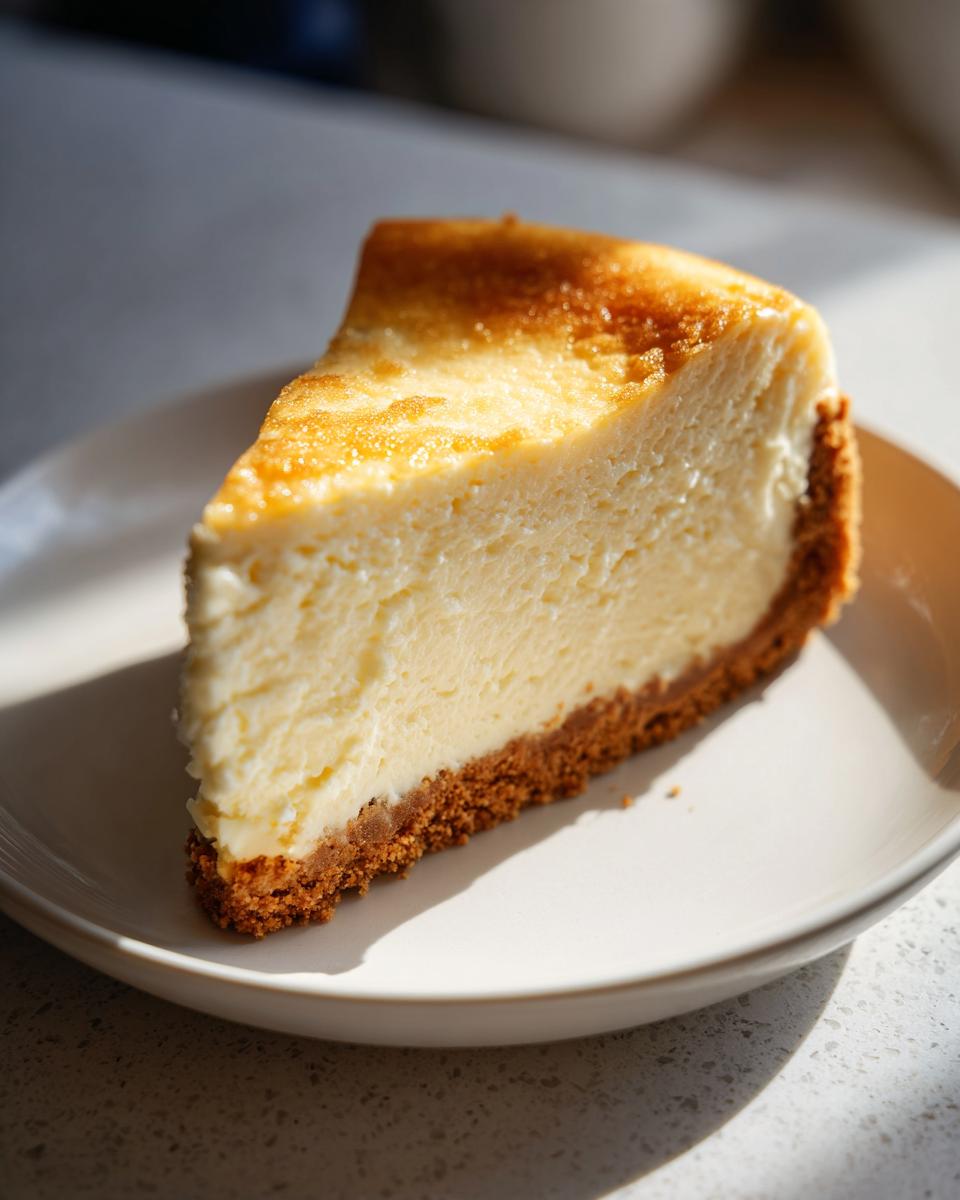
Nutritional Information
Okay, so, let’s talk about the nitty-gritty, right? I know a lot of you are curious about the nutritional info for this amazing cheesecake. But, I just want to give you a quick heads-up: the nutrition facts I’m about to give you are just estimates. The actual values can change depending on the brands of ingredients you use, how big your slices are, and even how much you *actually* put in! So, take these numbers with a grain of salt (or maybe a sprinkle of powdered sugar!).
I’ve run the recipe through a nutrition calculator, and the numbers are based on that, but remember, they’re not set in stone. The important thing is that you’re enjoying a delicious homemade treat! And hey, a little bit of cheesecake never hurt anyone, right? Now, go enjoy your amazing perfectly smooth cheesecake!
For more delicious recipes and meal prep ideas, check out Meal Prep Delicious.
Print
How to Get a Perfectly Smooth Cheesecake: 4 Tips!
- Total Time: 4 hours 15 minutes
- Yield: 10 servings
- Diet: Vegetarian
Description
Learn how to make a perfectly smooth and creamy cheesecake.
Ingredients
- 1 1/2 cups graham cracker crumbs
- 1/4 cup sugar
- 6 tablespoons butter, melted
- 32 ounces cream cheese, softened
- 1 1/2 cups sugar
- 1 teaspoon vanilla extract
- 4 large eggs
Instructions
- Preheat oven to 325°F (160°C).
- Mix graham cracker crumbs, sugar, and melted butter. Press into a 9-inch springform pan.
- Beat cream cheese and sugar until smooth.
- Add vanilla extract.
- Add eggs one at a time, mixing until just combined.
- Pour filling over crust.
- Bake for 50-60 minutes, or until edges are set, and the center jiggles slightly.
- Cool completely at room temperature, then chill for at least 4 hours.
Notes
- Use room temperature ingredients for best results.
- Avoid overmixing the batter.
- Use a water bath for even baking.
- Cool the cheesecake slowly to prevent cracking.
- Prep Time: 20 minutes
- Cook Time: 55 minutes
- Category: Dessert
- Method: Bake
- Cuisine: American
Nutrition
- Serving Size: 1 slice
- Calories: 450
- Sugar: 35g
- Sodium: 200mg
- Fat: 30g
- Saturated Fat: 18g
- Unsaturated Fat: 8g
- Trans Fat: 1g
- Carbohydrates: 38g
- Fiber: 1g
- Protein: 6g
- Cholesterol: 100mg